
More than 200 mobile carriers worldwide now support eSIM, and analysts expect the technology to power the majority of smartphone connections within the decade.
For travelers, the practical question is simple: should you keep your physical SIM or switch to a digital one?
- eSIM lets you buy a local or travel data plan before you land, so you are connected the moment the plane touches down.
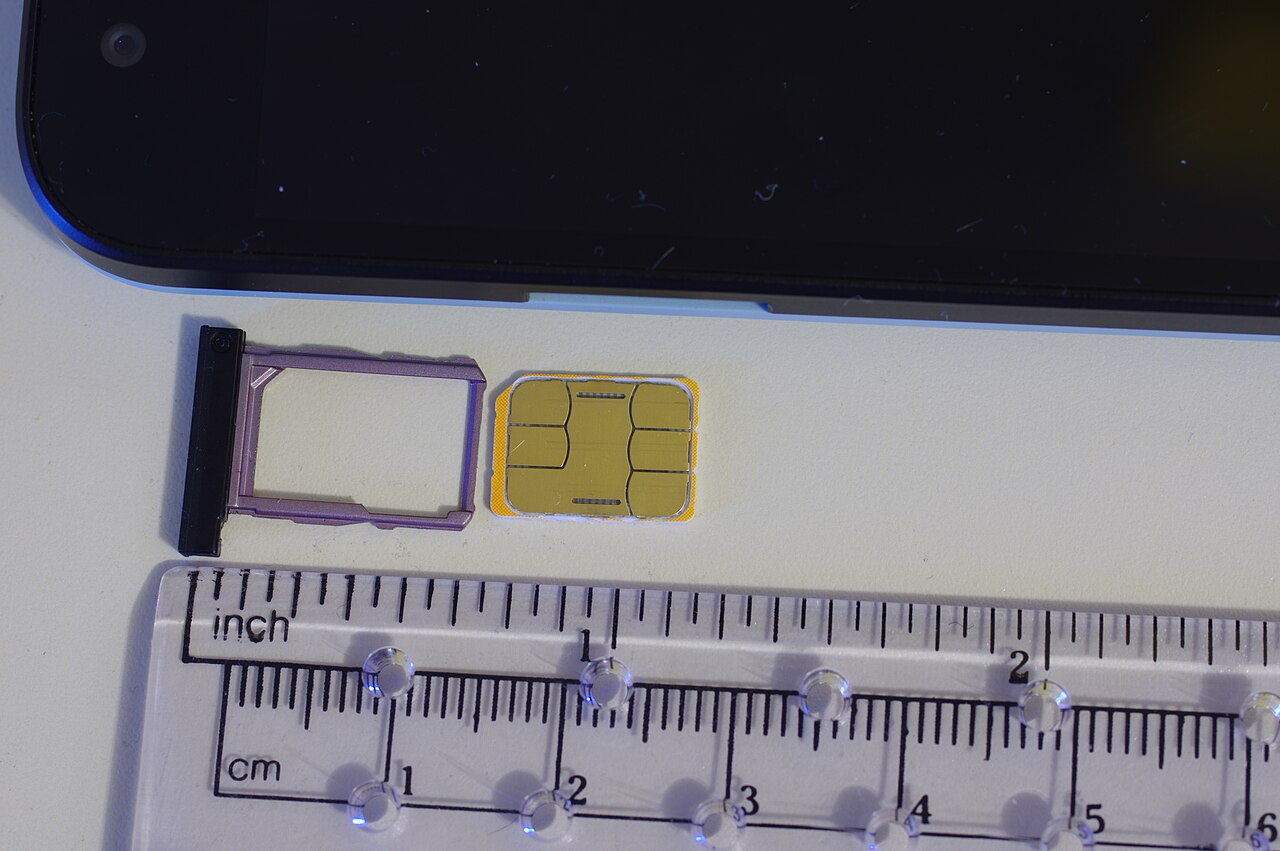
- Physical SIMs still offer broader compatibility with older and budget phones, and swapping one is a zero-learning-curve task.
- eSIM profiles can be stored side by side, letting you keep your home number active while running a second data plan.
- A lost or damaged physical SIM needs a replacement card, while an eSIM can usually be reissued by email.
- Phones without eSIM can still use a physical travel SIM for the same savings.
- A growing number of carriers ship phones with no SIM tray at all, making eSIM the default.
Both options have a place. If your phone supports eSIM and you travel often, the convenience of downloading a plan in seconds is hard to beat.